
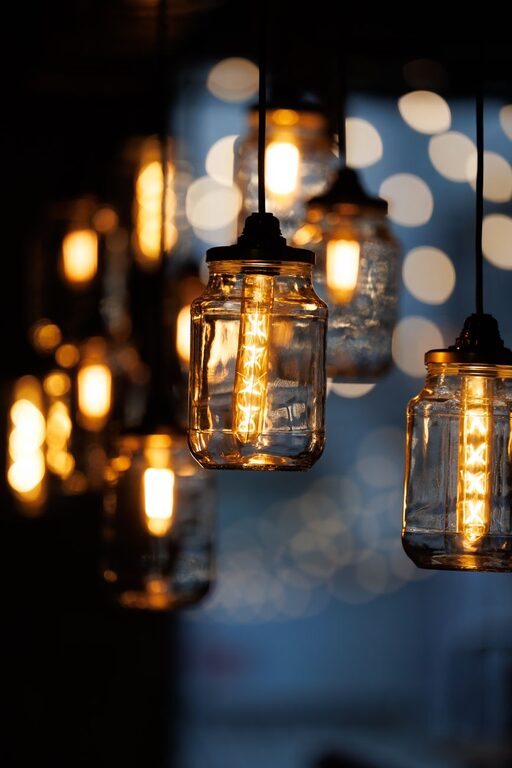
Creating a comfortable home environment involves many factors, and lighting plays a crucial role in setting the mood and functionality of your living spaces. Choosing the right lighting can influence how relaxed, productive, or energized you feel in your home. If you want to improve your home’s lighting, here are some helpful tips to guide you in selecting comfortable and effective lighting options.
Why Comfortable Lighting Matters
Comfortable lighting affects not just how a room looks but also how you feel in it. Harsh lights can cause eye strain and headaches, while poor lighting design may make spaces feel uninviting or even unsafe. Proper lighting can enhance your home’s décor, improve your mood, and make everyday tasks easier to perform.
Understand Your Lighting Needs
Before buying any fixtures or bulbs, think about how you use each room. Lighting needs vary depending on the activity and atmosphere you want to create. Here are some common uses and the lighting considerations for each:
– Living Rooms: Often used for relaxation, reading, or socializing. Soft, warm lighting that can be dimmed works best.
– Kitchens: Bright, clear lighting is important for cooking and food preparation.
– Bedrooms: Aim for calm, warm light that promotes restfulness.
– Bathrooms: Bright, shadow-free lighting is essential for grooming tasks.
– Home Offices: Adequate, glare-free lighting helps reduce eye strain during work.
Choose the Right Bulb Type
The type of bulb you choose impacts light quality, energy efficiency, and lifespan. Here are common bulb types to consider:
– LED Bulbs: Energy efficient, long-lasting, and available in various color temperatures. Great for most home uses.
– Incandescent Bulbs: Provide warm light but consume more energy and have shorter lifespans.
– CFL Bulbs: More efficient than incandescent but contain small amounts of mercury; handle with care.
– Halogen Bulbs: Produce bright, white light ideal for task lighting but can get hot.
Opt for LED bulbs with the right color temperature to create your desired ambiance.
Understand Color Temperature
Color temperature is measured in Kelvins (K) and influences the mood of a space:
– Warm White (2700K–3000K): Creates a cozy and relaxing atmosphere, ideal for living rooms and bedrooms.
– Neutral White (3500K–4100K): Balanced and natural, suitable for kitchens and bathrooms.
– Cool White/Daylight (5000K–6500K): Mimics natural daylight, helpful in reading areas or workspaces needing focus.
Choosing the right color temperature can make your home feel comfortable and inviting.
Use Layered Lighting
Layered lighting combines different types of lighting to enhance comfort and flexibility:
– Ambient Lighting: The main source of light in a room, providing general illumination.
– Task Lighting: Focused light that helps with specific activities like reading or cooking.
– Accent Lighting: Highlights architectural features or décor, adding depth and interest.
Using a mix of these layers allows you to adjust lighting based on your mood and needs.
Install Dimmers and Controls
Dimmers allow you to change lighting intensity according to the time of day or activity. Installing dimmer switches is an easy way to increase comfort and save energy. Smart lighting controls add convenience by letting you adjust lighting from your phone or with voice commands.
Choose Fixtures That Match Your Style and Function
Lighting fixtures affect both the look and function of a room. Consider the following when selecting fixtures:
– Size: Ensure the fixtures fit the scale of the room and furniture.
– Style: Choose a style that complements your decor, whether modern, traditional, or eclectic.
– Placement: Position lights to avoid glare and shadows. For example, place reading lamps at eye level beside chairs.
– Materials: Reflective or translucent materials can enhance the light’s quality.
Pay Attention to Natural Light
Maximize natural light during the day by arranging furniture and window treatments thoughtfully. Natural light improves comfort and reduces the need for artificial lighting. Use sheer curtains to soften bright sunlight or blinds to control glare.
Safety and Energy Efficiency
Comfortable lighting should also be safe and energy efficient:
– Avoid flickering bulbs: Flicker can cause discomfort and headaches.
– Use energy-efficient bulbs: Save on electricity bills and reduce environmental impact.
– Ensure proper wiring: Prevent electrical hazards by using certified products and qualified installers.
Test Lighting Before Final Installation
If possible, test new lighting setups before final installation. Bring home sample bulbs and fixtures to see how they work in your space. Try different brightness levels and color temperatures to find what feels best to you.
Conclusion
Choosing comfortable home lighting involves understanding your space, selecting the right bulbs and fixtures, and combining different lighting layers. Paying attention to color temperature, using dimmers, and maximizing natural light all contribute to a welcoming and functional environment. With these tips, you can create a home that looks beautiful and feels just right. Happy lighting!