
Reducing food waste at home is a goal that benefits both your wallet and the planet. Every year, millions of tons of food are thrown away, contributing to environmental problems and lost resources. By making small changes in your daily habits, you can reduce the amount of food you toss out, save money, and enjoy fresher meals. This blog post will explore practical ways to reduce food waste at home with easy-to-follow tips.
Why Reducing Food Waste Matters
Food waste has significant environmental and economic impacts. When food is thrown away, the resources used to produce, transport, and store that food—such as water, energy, and labor—are wasted as well. Additionally, food waste in landfills produces greenhouse gases, contributing to climate change. By cutting food waste, you help conserve resources, reduce pollution, and lower your household expenses.
Tips for Reducing Food Waste at Home
1. Plan Your Meals Ahead
One of the most effective ways to reduce food waste is to plan your meals before you shop. Creating a weekly meal plan helps you buy only what you need and avoid impulse purchases.
– Write down the meals you want to prepare for the week.
– Make a shopping list based on your meal plan.
– Stick to the list when shopping to prevent buying unnecessary items.
2. Shop Smart and Buy What You Can Use
Buying in bulk or stocking up on sales can be tempting, but it can also lead to food going bad before you use it.
– Be realistic about how much food your household can consume.
– Choose smaller packages if you eat alone or have a small family.
– Prioritize fresh produce and foods with a longer shelf life.
3. Store Food Properly
How you store food affects how long it stays fresh. Learning the best storage methods can extend the life of your groceries.
– Keep fruits and vegetables in the right places: some belong in the fridge, others on the counter.
– Use airtight containers for leftovers and open packages.
– Label leftovers with dates to keep track of freshness.
4. Understand Food Labels
“Sell by,” “use by,” and “best before” dates can be confusing. Knowing what they mean helps you avoid throwing away food unnecessarily.
– “Sell by” is for stores, not a safety guide.
– “Use by” refers to the date when food is at peak quality.
– Trust your senses: look, smell, and taste food before discarding.
5. Use Leftovers Creatively
Instead of throwing away leftovers, try turning them into new meals. This can save you time and reduce waste.
– Make soups, stews, or casseroles with leftover vegetables and meats.
– Use stale bread for croutons or breadcrumbs.
– Freeze leftovers you can’t eat soon.
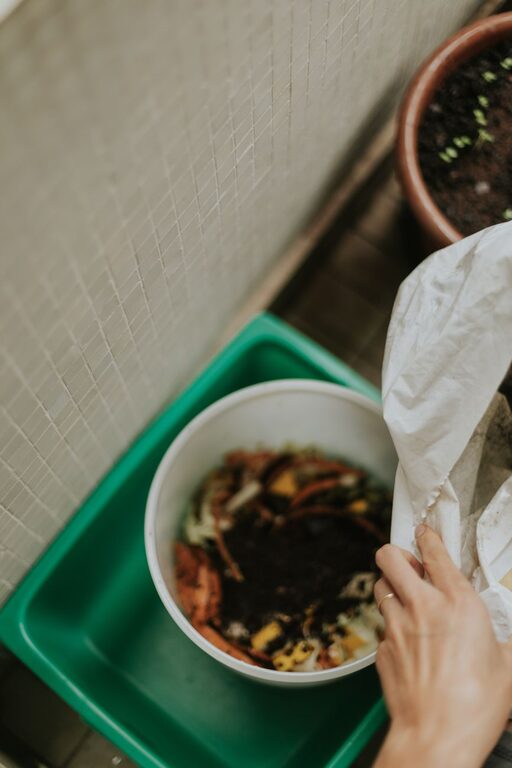
6. Compost Food Scraps
Not all food scraps need to end up in the trash. Composting turns organic waste into nutrient-rich soil for your garden.
– Collect vegetable peels, coffee grounds, eggshells, and other compostable items.
– Avoid composting meat, dairy, and oily foods that attract pests.
– Use a compost bin or a simple DIY compost pile.
7. Donate Surplus Food
If you have food that you cannot consume before it spoils, consider donating it.
– Share with friends, family, or neighbors.
– Look for local food banks or community organizations that accept food donations.
– Check guidelines for what can be safely donated.
Additional Kitchen Hacks to Prevent Waste
Use the Whole Ingredient
Many parts of fruits and vegetables are edible but often discarded.
– Use beet greens and carrot tops in salads or smoothies.
– Save broccoli stems by slicing and stir-frying.
– Make broth from vegetable scraps and bones.
Practice First In, First Out (FIFO)
Organize your pantry and fridge so older items are in front and used first. This helps prevent food from getting lost and expiring.
Freeze Extra Food
If you can’t eat fresh food in time, freeze portions to use later. Most fruits, vegetables, bread, and cooked meals freeze well.
Final Thoughts
Reducing food waste at home is easier than you might think. By planning meals, shopping wisely, storing items properly, and using leftovers creatively, you can make a positive impact on the environment and save money. Small habits add up over time, so start with one or two tips and build from there. Together, we can make food waste a thing of the past.
—
With these practical strategies, you’ll be on your way to a more sustainable and efficient kitchen. Give them a try and enjoy the benefits of less waste and more savings!